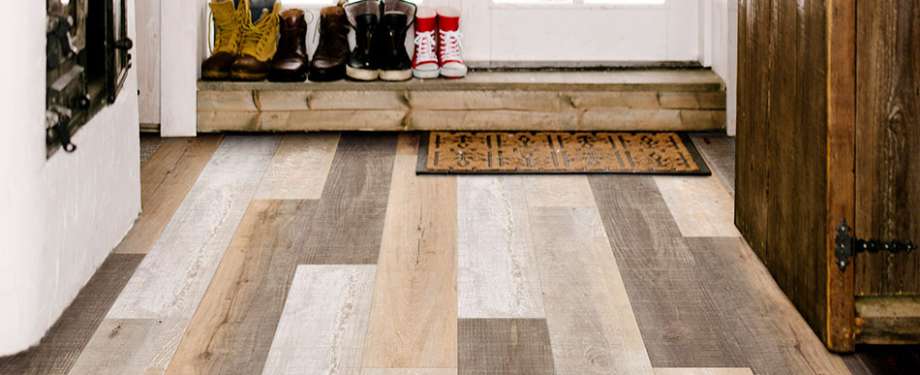
With all the use your floor receives, you want a product and installation that’s durable. Hardwood flooring is a fantastic option for its incredible lifespan, as well as its stylish, modern look. Before you dive in and purchase hardwood for your home or business, you’ll want to make sure you are well informed on the product selection available. There is a vast range of hardwood characteristics and styles that could influence your purchase and understanding each is crucial.
This article will do a deep dive into hardwood flooring and equip you with everything you need to know for your next installation project. Let’s jump in.
Characteristics of Hardwood
Hardwood is a robust flooring type that comes in a variety of shapes and sizes. Before starting your installation, you should know about the differences in characteristics and what purposes they serve. According to This Old House, hardwood can be broken down into 4 factors:
Length
Hardness
Thickness
Width
Length:
Hardwood boards typically come precut between 3 and 3.5 feet. For the most seamless installation possible, prioritize using longer pieces. This limits the appearance of clunky end joints that stand out. However, if you’re installing hardwood in a small room and want it to have a larger feel, cut your pieces smaller.
Hardness:
The hardness of your wood is dependent on which species of tree was used during the manufacturing process. Each species has its own level of hardness, and the harder the wood, the more durable your flooring will be. Here are the various wood types, ranked from softest to hardest:
Thickness:
Hardwood floor planks come in a range of thicknesses, with common sizes being ½”, 5/8”, and ¾”. In general, the thicker your wood is, the more times it can be resurfaced and refinished. This will allow you to keep your flooring’s original appearance as long as possible. Thinner wood flooring materials can still be frequently re-coated, however.
Width:
Your hardwood floor material will come in either 6” wide or 2 ¼” wide planks. Wider planks have a homier aesthetic to them, but they’re also susceptible to gapping joints in dry weather. Thinner planks have a tighter fit. You can also mix these planks to receive both looks.
Types of Hardwood Cuts
The wood grain appearance of your hardwood is dependent on which type of cut is performed during the manufacturing process. Solid hardwoods are cut by two primary methods, and each has its own distinctive patterns.
Flatsawn Boards:
Flatsawn boards are sliced lengthwise, allowing the tree’s growth rings to appear parallel with the plank. This creates a wavy, flamelike pattern that’s classically found in flooring.
Live Swan Boards:
Live sawn boards are created by cutting the log straight through with minimal waste. The resulting boards display the full range of the log’s natural characteristics with a unique mix of quarter sawn, rift sawn, and plain sawn. Similar to a French or European cut, however, live sawn likely has more character.
Rift Swan Boards:
Rift sawn lumber is typically narrow with a very straight grain pattern on the face of the board. Rift sawn lumber is usually used with oak to avoid the flecks that are common in the species. The annular rings or a rift sawn board are about 30-60 degrees to the face of the board, but 45 degrees is the most optimum.
Quartersawn Boards:
Quartersawn boards are cut out of the tree like a pie. This results in growth ring patterns that run perpendicular to the face of the plank, creating a much more even appearance. This type of cut is also more expensive.
How Hardwood Grading Works
The quality and price of your unfinished hardwood flooring are determined based on the grade of wood. The fewer the defects, the higher the grade. It’s worth mentioning, however, that different species of woods have different standards of defects, as some species naturally have many knots and a variety of colors present. Grading is broken down into three categories:
Select:Minimal, or zero defects
Natural:Occasional defects found throughout
Rustic:Many obvious defects
What Are the Types of Hardwood Floors?
Not all hardwood flooring is created equal. There’s an immense variety of flooring types, with each type of hardwood flooring coming in at a different price range. Your choice will also depend on your desired application, budget, and floor appearance. Here are some options.
Solid Hardwood
Solid hardwood is naturally cut from one solid piece of hardwood. Its existence dates back to the 1600s, but it is still a popular choice in flooring due to its authenticity, timelessness, and refinishing lifespan. The price tag is higher upfront but pays for itself over its lifetime if properly maintained.
Engineered Hardwood
What is engineered hardwood flooring? Engineered flooring contains a plywood base, with a wood veneer finish on top. This veneer top allows you to have the real wood appearance of your choice while saving costs with the plywood construction beneath. It is usually a better price-point option.
Hardwood Stains & Finishes
Hardwood Stains
Water Based Stain Finishes: Appear clear, Dry in 2 to 3 hours, extremely mildew & mold resistance, keep its color for longer period of time & no harmful odor or fumes, not flammable.
Oil Based Stain Finishes: Appear amber in color, Dry in about 8 hours (Oil is added to the chemical composition of the polyurethane finish) penetrates wood deeper, thicker seal for wood & less long-term maintenance.
Acid- Cured Finishes: Appear clear to slightly amber, Dry in about 2 to 3 hours & are extremely durable.
Moisture Cured Finishes: Appear clear to amber, Dry in about 2 to 3 hours in humid conditions, it’s more moisture resistant than other surface finishes.
Wax Finishes: Soak into the pores of the wood & harden to from protective penetrating seal, which will appear luster & amber in color, Dry in variable amount of time depending on the time of wax used & the jobsite conditions, Wax finishes are durable but will show spots from water & other contaminates.
Acrylic Impregnated Finishes: Are injected into the wood to create super hard, exceedingly durable floor, it’s rarely used in residential applications, rather, acrylic impregnated finishes are often used in very high- traffic areas & commercial sitting.
Engineered Wood Finishes
Uv- Cured:Factory Finishes are cured with ultraviolet lights instead of heat.
Polyurethane: A transparent & durable finish applied as a wear layer.
Acrylic- Urethane: A variation on polyurethane with similar benefits. Urethane is less expensive & it can be less durable.
Aluminum Oxide: That mixes tiny aluminum particles with the urethane. Increases the wear layer’s resistance to scratches & other abrasion. Most factory processes involve applying only one coat. Followed by multiple coats of urethane- for added shine. Gloss levels include glossy semi-gloss, & stain sheens. Often added to the urethane finish to increase abrasion resistance.
Acrylic Impregnated: This finish process injects acrylic monomers directly into the cell structure of the wood. Boards are than coated with a finish wear layer. This technique effectively fills the open pores of the wood throughout the entire thickness of the plank, further strengthening the wood & offering added protection against possible denting from daily wear. The most durable alternative, acrylic impregnated prefinished hardwood flooring is most often used in commercial application but it’s becoming popular in residential flooring. This finish is most often offered in a stain gloss. (Traditional wood floors that have been injected with high- strength acrylic for added durability against dents, dings & damage).
Edges:
Square Edge: edges for all planks meet that blend floors together & gives formal look.
Beveled Edge: strips or planks with a very distinctive groove. Urethane finishes allow those edges to be completely sealed, allowed dirt to be easily swept or vacuumed out of the groove.
Eased Edge: each board is slightly beveled to help hide minor irregularities including uneven plank heights bevel may be added to length as well as joints. Also called Micro beveled edge.
Distressed:
Distressed flooring is completely authentic, weathered wood. It’ll look more rustic and used than other floor types, but this is an advantage. It also comes at a higher price tag.
Exotic:
Exotic flooring is manufactured with unique wood from all parts of the globe. It has a naturally durable hardness and a variety of eye-popping colors. It’s also an expensive option.
What Are the Different Styles of Hardwood Floors?
After you’ve determined which type of hardwood flooring,you’d like to use, it’s time to choose a style. Hardwood comes in a range of design options that can be purposefully selected to match the aesthetic of the rest of your home. What is the best hardwood flooring style? Let’s look at some popular options.
Brazilian Chestnut:
An extremely hard and durable hardwood style, Brazilian chestnut is an expensive distressed wood option. It is best used in high-traffic areas like kitchens.
Distressed Heart Pine:
This rustic, wide-planked flooring style adds charm and antiquity to any home. It’s a more expensive option as well.
Engineered Beach:
One of the lighter color options when it comes to flooring, beech engineered flooring can make a room feel larger and creates some stylish hues that are easier to match with furniture.
How Does Hardwood Compare to Other Types
It may be tough deciding which type of flooring you’d like to install in your home. While hardwood may seem like the most obvious choice due to its authenticity, differentiating it from other floor types can be challenging. Let’s break it down and see how hardwood stacks up.
Softwood vs. Hardwood
As compared to unfinished hardwood flooring, softwood comes from coniferous tree species and is normally used in applications besides flooring.
Carpet vs. Hardwood
While carpeting may not be as luxurious as solid hardwoods, it has its own purposes that may make it a more useful flooring type, including comfort.
Laminate vs. Hardwood
Laminate is an extremely affordable option that resembles hardwood but lacks the durability of the true product.
Engineered Hardwood vs. Hardwood
Engineered hardwood is a great alternative for those looking for a real wood appearance, without the expensive structure.
Vinyl Flooring vs. Hardwood
Vinyl flooring can resemble the look of hardwood but is installed in a completely different way. Additionally, this flooring type has none of the properties real wood flooring does.
Bamboo vs. Hardwood Flooring
Bamboo is primarily chosen over hardwood flooring for the unique style it provides. Most of the installation process is incredibly similar.
Frequently Asked Questions About Hardwood
Q: Why Is My Floor Squeaking?
1- Something is moving: Squeaks are evidence that the floor is moving somewhere. walk around & locate the squeaks once you figure out add fasteners above or below the floor to stop the movement.
2- The weather has changed: If you hear squeaks as the seasons change to the winter,that is a time to turn on humidifier, in the winter floors will naturally be drier. Dry air causes shrinking, gaps & movement one weather shifts it will often go away. Keep the humidity level set to maintain between 35-55% relative humidity to avoid squeak & gaps through the end of the winter season. Also don’t forget the summer! if you have a humid summer.
3- Related Causes: Subfloors are not level or stable, poor quality or degraded materials, voids or gaps between the subfloor & flooring, joists that are not level or stable, settling of the home’s foundation, improper fastener used to nail the floor down, improper spacing between fasteners, fasteners that are over or under-set.
Outfit Your Home with Beautiful Hardwood Flooring
No home product can add the level of luxury and function that hardwood flooring does. If you’ve been ready to make a change to your flooring, hardwood is a long-lasting solution that you’ll be able to enjoy for years ahead. We have a beautiful selection of hardwood flooring styles sure to match any design vision and budget.
Ask your Murad Floors consultant for more information. We can help you transform your floors quickly, easily, and at an amazing price. Just give us a call at 972-799-6009or schedule your free design consultation online and we’ll bring your dream home to life!